
How Continuous Anchor Monitoring is Lowering Yacht Insurance Deductibles
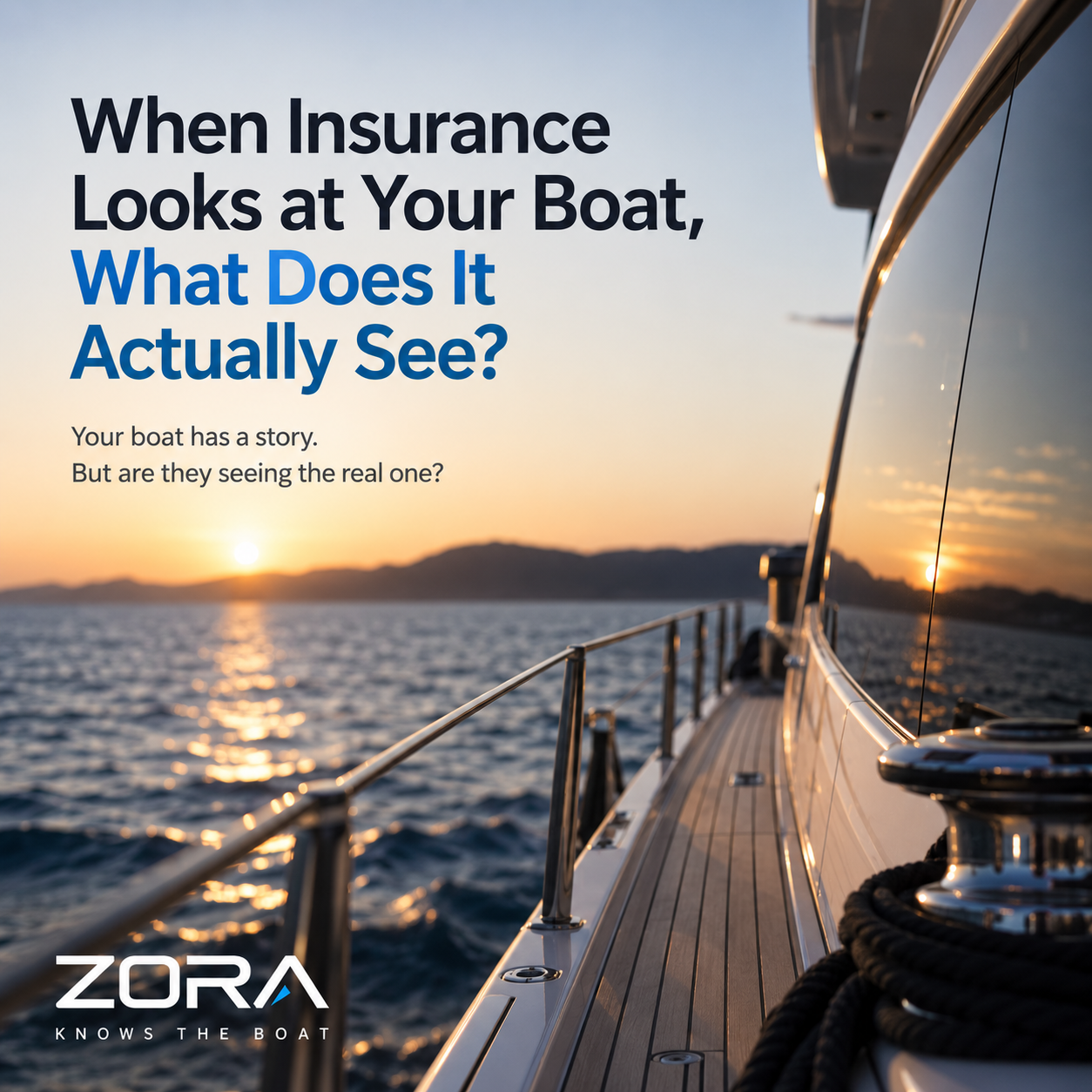
For decades, the marine insurance industry has operated on a blunt instrument: historical averages. Underwriters look at age, hull type, cruising grounds, and past claims to price risk, treating every vessel like a statistical roll of the dice.
That model is beginning to fracture. Forward-thinking marine insurers—like Pantaenius, which recently introduced reduced deductibles for yachts utilizing continuous anchor monitoring—are shifting away from pure statistics toward operational reality.
For tech platforms like Zora, this industry shift validates a fundamental truth: proactive marine telemetry isn't just a convenience feature for skippers; it is a core risk-mitigation infrastructure.
The Problem with Traditional Risk Assessment
When a yacht drags anchor in the middle of the night, the resulting claim often involves hull damage, groundings, or total loss. Traditionally, underwriters have had to rely entirely on the captain’s post-incident narrative to figure out what went wrong. Did the anchor drag for ten minutes or two hours? Were alarms ignored? Was the crew asleep at the helm?
Because traditional vessels lack verifiable operational data, insurers must build high blanket deductibles and premiums into every policy to cover their blind spots.
Turning Vessels from Statistical Risks into Managed Assets
The introduction of lower deductibles for monitored vessels marks a turning point. Insurers are realizing that real-time data changes the risk profile entirely. However, to satisfy underwriters, data collection requires more than just a basic notification ping on a smartphone. It demands:
Immutable Audit Trails: A tamper-proof, profile-driven record of vessel operations, environmental conditions, and system data.
Proactive Telemetry: Systems that don't just alert the owner when things go wrong, but continuously verify that critical safety loops (like anchor position, bilge levels, and shore power) are holding steady.
Permission-Based Transparency: A secure portal where verified operational truth can be shared with underwriters when needed, proving that a vessel was actively managed and safely secured.
The Future of Smart Marine Operations
As underwriters continue to reward proactive risk management with financial incentives, the market is moving away from standalone gadgets toward integrated operating systems.
By transforming vessels from opaque statistical risks into transparent, managed assets, platforms like Zora are helping bridge the gap between skippers, marine electronics installers, and insurance underwriters who want to reward safety with lower costs.