
Beyond Rules-Based AI: What Happens When Your Boat Starts Connecting the Dots?
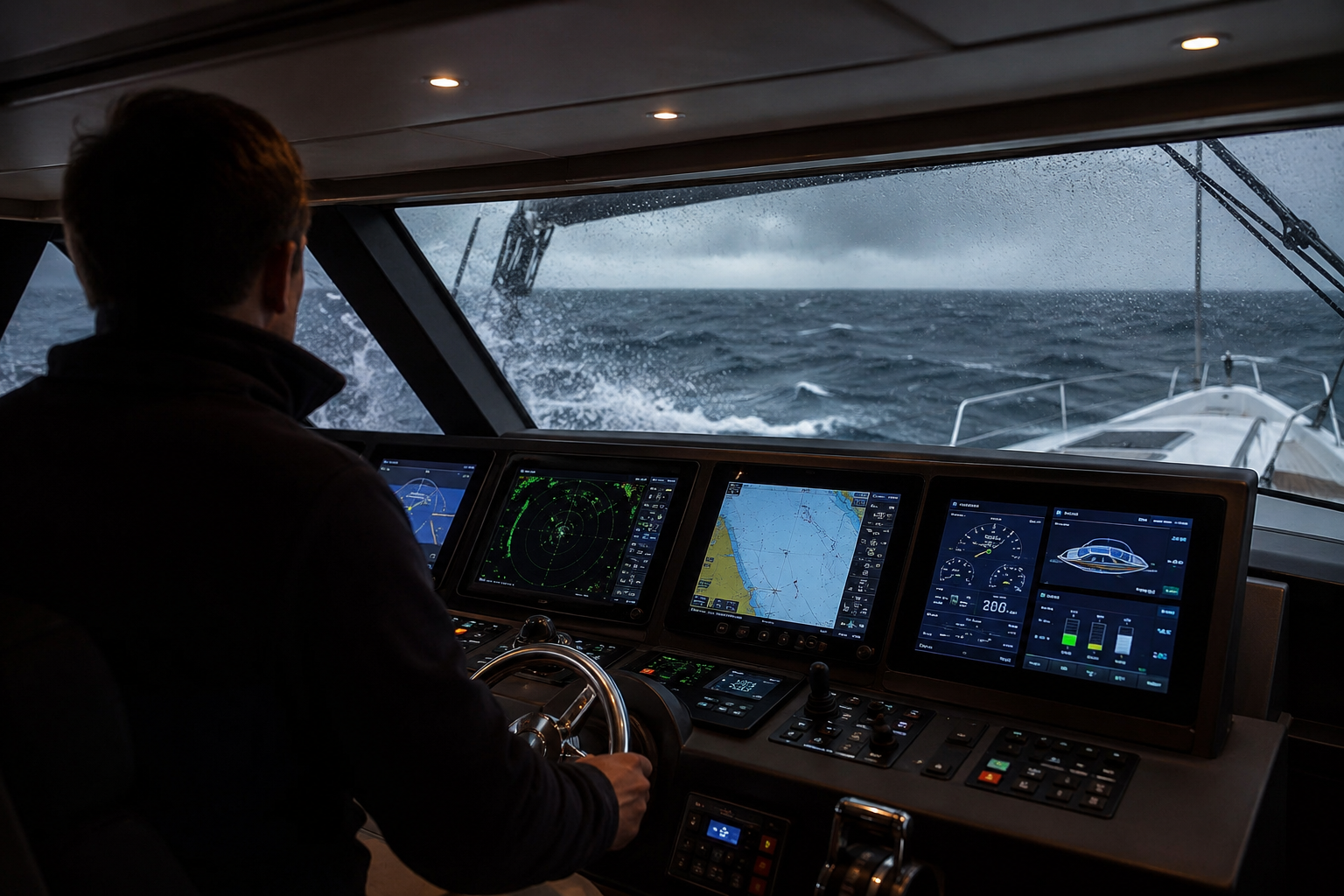
For years, marine electronics have focused on one thing:
Showing you more information.
More screens.
More sensors.
More alarms.
More apps.
But if you’ve spent enough time offshore, you eventually realize something important:
More data doesn’t automatically create better decisions.
In fact, sometimes it does the opposite.
Running a modern boat can feel a bit like trying to fly an airplane where every instrument was designed by a different company and mounted in a different part of the cockpit.
Everything technically works.
But you’re the one stitching it all together in your head.
That’s the problem we’ve been focused on solving with Zora from the beginning.
Not replacing captains.
Not automating the joy out of boating.
Not turning yachts into robots.
Just helping people understand what’s happening onboard before small problems become big ones.
Today, Zora uses rules-based AI.
That means it can monitor systems, validate incoming data, recognize patterns, and alert captains when something isn’t right.
For example:
If engine temperature starts rising while cooling water flow drops, Zora can recognize the relationship between those two events and warn the captain before an overheat condition occurs.
That’s not magic.
It’s situational awareness.
But the next evolution goes further.
Not toward “AI taking over the boat.”
Toward AI becoming a better assistant.
Think about an experienced first mate.
A good first mate doesn’t take command away from the captain. They quietly monitor the environment, notice subtle changes, and speak up when something doesn’t feel right.
That’s the direction we believe marine AI should go.
Imagine a future offshore passage at night.
The boat is under autopilot. Conditions are deteriorating slowly. Visibility is dropping. Crew fatigue is increasing after a long watch rotation.
Individually, none of these things are alarming.
But together, they form a pattern.
An AI-assisted system could recognize that combination and say something simple like:
“Conditions are changing faster than expected. Crew fatigue levels appear high. Recommend reducing sail area earlier than planned.”
Not because it “knows better” than the captain.
But because it never gets tired.
Never stops watching.
And can connect small signals humans sometimes miss when overloaded.
Or imagine another scenario.
A bilge pump begins cycling more frequently than normal while battery voltage slowly drops and weather conditions worsen ahead.
A traditional system might trigger separate alarms.
An intelligent system could recognize the relationship between them and say:
“This pattern may indicate a developing water ingress issue. Recommend inspection.”
That’s a very different kind of assistance.
The marine industry often talks about autonomy.
We think the bigger opportunity is assistance.
Airplanes didn’t become safer because pilots disappeared.
They became safer because systems evolved to improve situational awareness, reduce cognitive overload, and help crews make better decisions under pressure.
We believe boating will follow a similar path.
The captain remains in command.
Always.
But intelligent systems can become an extra set of eyes. A quiet assistant. A tool that helps reduce stress and improve confidence offshore.
That’s the future we’re building toward with Zora.
Not replacing the human at the helm.
Helping them stay ahead of what’s coming.
At iNav4U, we believe the future of boating isn’t about replacing captains. It’s about giving them better tools to stay ahead of what’s happening onboard.